You’re going to love this one.
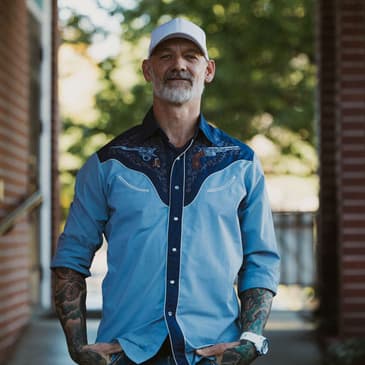
Today I’m talking with Seth Radnothy, a fellow nurse whose path into healthcare is anything but typical. Before he ever stepped into a hospital, he was serving as a Reconnaissance Marine—and if that doesn’t tell you something about his ability to stay calm under pressure, just wait.
Seth’s worked as a paramedic and in both emergency and perioperative nursing, so he knows what it’s like when things get intense fast. These days, he’s taken all that experience and built something really unique—Pulsepoint Prose Legal Nurse Consulting—where he helps attorneys make sense of complex medical cases. He also shares what he’s learned as a legal nurse consultant with the next generation of nurses as a clinical nursing instructor.
And because he values his work/life balance, in his off time, he plays guitar in his band, hits CrossFit, mountain bikes, and hangs out with his wife and their furry crew.
This one is about the many ways a nursing career can evolve—and how all of your experiences can come with you.
In the five-minute snippet: We all scream for ice cream. For Seth's bio, visit my website (link below).
Contact The Conversing Nurse podcast
Instagram: https://www.instagram.com/theconversingnursepodcast/
Website: https://theconversingnursepodcast.com
Your review is so important to this Indie podcaster! You can leave one here! https://theconversingnursepodcast.com/leave-me-a-review
Would you like to be a guest on my podcast? Pitch me! https://theconversingnursepodcast.com/intake-form
Check out my guests' book recommendations! https://bookshop.org/shop/theconversingnursepodcast
I've partnered with RNegade.pro! You can earn CE's just by listening to my podcast episodes! Check out my CE library here: https://rnegade.thinkific.com/collections/conversing-nurse-podcast
Thanks for listening!
[00:01] Michelle: You are going to love this one.
[00:03] Today I'm talking with Seth Radnothy, a fellow nurse whose path into healthcare is anything but typical.
[00:11] Before he ever stepped into a hospital,
[00:14] he was serving as a Reconnaissance Marine.
[00:17] And if that doesn't tell you something about his ability to stay calm under pressure,
[00:21] just wait.
[00:23] Seth has worked as a paramedic and in both emergency and perioperative nursing.
[00:29] So he knows what it's like when things get intense fast.
[00:34] These days, he's taken all that experience and built something really unique.
[00:39] PulsePoint Prose Legal Nurse Consulting,
[00:42] where he helps attorneys make sense of complex medical cases.
[00:47] He also shares what he's learned as a legal nurse consultant with the next generation of nurses,
[00:53] as a clinical nursing instructor.
[00:56] And because he values his work-life balance.
[00:58] In his off time, he plays guitar in his band,
[01:02] hits CrossFit, mountain bikes, and hangs out with his wife and their furry crew.
[01:08] This one is about the many ways a nursing career can evolve and how all of your experiences can come with you.
[01:17] In the five minute snippet:
[01:19] we all scream for ice cream, but, man, Seth is the loudest.
[01:26] Here is Seth Radnothy.
[01:42] Well, good morning, Seth. Welcome to. the podcast.
[01:43] Seth: Hey, Good morning. Thanks a lot for having me.
[01:46] Michelle: Well, thank you so much for reaching out. I love it when nurses and other medical professionals reach out and say,
[01:56] I work in a
[01:57] niche specialty or,
[01:59] you know, I have a message for your audience. And I want to encourage everybody to, if you want to be a guest on this podcast, go to my website,
[02:09] theconversingnursepodcast.com and click on Be My Guest, fill out the form.
[02:14] It's super easy.
[02:16] And yeah, I get so many great guests from just people filling out my form.
[02:23] So thank you so much, Seth.
[02:25] Seth: Yeah, no problem. You do have a lot of really good guests. I tell people about your podcast all the time.
[02:31] Michelle: Thank you. I have been very blessed. Yes. Well, tell us how you got where you are today, Seth. What is your story?
[02:39] Seth: Well, I guess. How far back do you want me to go?
[02:43] Michelle: Well, I know that you were in the military and also EMS, and then you went into nursing. How did all that work out?
[02:53] Seth: So my junior year in high school, I was sitting with my dad one day and he asked me what I was going to do with my life, and I really had no idea.
[03:01] And he suggested going in the military. And I immediately shot that idea down because I didn't think that was at all what I wanted to do. And then a recruiter contacted me the beginning of my senior year and showed me all the cool stuff you could do in the military,
[03:20] and changed my mind pretty quickly.
[03:23] I ended up going into the Marine Corps. And while I was in the school of infantry, which is a two month school all the infantry Marines go through after boot camp.
[03:35] I took the recon indoc,
[03:37] and there was,
[03:40] I think about 40 of us that took the indoc. And it was an eight hour,
[03:45] physically demanding and mentally demanding test.
[03:49] They took two of us, myself and one of my best friends, Jason Cascelli, and we went to first Recon Company and spent four years there.
[03:58] When I got out of the military, I moved up to Seattle and still wasn't sure what I wanted to do with the rest of my life. So I just started bartending and waiting tables and going to community college.
[04:09] About two years later, I got married and we moved down to San Diego. This was in early 2004.
[04:18] I came back to the idea of wanting to be a firefighter, which I had explored many, many years ago, like in elementary school and junior high.
[04:29] So in San Diego, in order to be a firefighter, you have to be a paramedic or also.
[04:35] So I went to EMT school, became an EMT,
[04:39] did that for two years, went to paramedic school,
[04:42] worked as a paramedic for about six years.
[04:46] And then after working six years side by side with the fire department,
[04:50] I just kind of decided I did not want to do that the rest of my life because I was already tired of being waken up all night long throughout the night and having sleep severely interrupted.
[05:02] So my paramedic partner at the time was going through nursing school and he kept saying, go to nursing school, go to nursing school. I'm telling you, go to nursing school.
[05:11] And I never really wanted to do it. I never thought about doing it. Although I grew up with one of my,
[05:17] closest aunts who was a cardiac ICU nurse for like 35 years. So I heard all kinds of stories from her when I was growing up.
[05:25] So Rob kept hounding me about it and I finally said, okay, I'm going to apply for PA school and I'm going to apply for nursing school. And whatever one I get in first, that's the route I'm going to go.
[05:36] So I ended up getting into nursing school the first time I applied, which was really lucky I worked as an ER tech in an ER in San Diego for three years in and around nursing school.
[05:49] And then after nursing school, my plan was originally to get into the ICU.
[05:55] And I really thought at the time that I wanted to become a CRNA. I got passed up on a couple ICU interviews that I had,
[06:02] and oddly enough,
[06:04] I was scrolling Craigslist one day and I found an ad for an outpatient surgery center.
[06:12] And I had just passed the NCLEX and I really needed a job. So I put in an application to the surgery center, not really knowing anything about it.
[06:22] I think that was on a Friday. And on Sunday I got a call from a girl who I knew for the CrossFit gym I was going to at the time.
[06:29] And she said, hey, did you apply for this outpatient surgery center? And I said, yeah. She's like, oh, well, my best friend is the nursing director there.
[06:37] So I got the job the next week and I learned how to circulate and I loved it because I had one patient and they were asleep.
[06:46] And then I stayed there for about a year and then I started travel nursing. And I did that for the next four and a half, five years in the operating room.
[06:54] And then I just kind of got bored in the operating room and decided I wanted to go back to the ER. During my last contract, which was in Seattle,
[07:02] which was right when Covid happened,
[07:05] they closed down the OR and fortunately they didn't cancel any of the traveler contracts. They gave us the option to either go to the ICU,
[07:17] go to Med surg, or go to the ER, as I think what they called it was a nurse helper at the time and having EMS background and worked as a tech.
[07:26] Working as a tech in the ER. I decided to go to the ER.
[07:30] And while I was there for the last two or three months of my contract,
[07:34] that's when I decided to move back to the ER.
[07:37] So I did that.
[07:39] This was when we were in Seattle. My wife was really itching to set down roots somewhere. So we were trying to decide between going back to Arizona, where we're both from, or coming to this area, the Carson City-Reno area.
[07:52] And we couldn't decide.
[07:54] So I put in five applications for five different jobs between Carson, Reno and Tucson.
[08:01] And we just decided that wherever I got a job offer, that's where we were going to go.
[08:06] So I got five job offers.
[08:08] So that didn't really help our decision making process at all.
[08:12] However, we just finally decided that we should make this move for us and not for our family, because we both have a bunch of family and friends in Arizona.
[08:21] But it is the heat in Arizona, especially Scottsdale, Tucson, Phoenix is just unbearable at times. And we both grew up there, so we really didn't want to go back to that.
[08:33] So we came to Carson City.
[08:35] I've been in the ER here in the hospital in Carson City for almost six years now.
[08:41] And let's see, last January,
[08:43] I launched my legal nurse consulting business after coming back around to legal nurse consulting, which I originally learned about from my wife in 2017. She's a paralegal and has been a paralegal for 20 plus years.
[08:58] And I would come home from work and she would be doing medical record reviews, and she would call me over to the computer and she would be like, what does this mean?
[09:06] What does this mean? What is this word? This doesn't even sound like English.
[09:09] And so that's when she kind of told me that there was a thing called legal nurse consulting that was in 2017.
[09:16] So I had only been a nurse for about two and a half years,
[09:20] and really,
[09:21] you should have at least five years of nursing experience before you try and get into the legal nurse consulting world.
[09:29] So I put that on the back burner. And then when I started to feel the burnout in the summer of 24,
[09:38] I saw a post on a forum of somebody asking about legal nurse consulting.
[09:45] And that kind of brought it back to the forefront of my mind. And so I got myself a coach/mentor,
[09:52] and I went through their program and then, yeah, I launched my business last January.
[09:57] Michelle: What a very interesting story and thank you for telling it. I really am a nerd in terms of liking to hear the stories of how nurses and other medical professionals got into the profession.
[10:12] Because I think sometimes maybe the public thinks, you know,
[10:16] from a very early age, we thought about being a nurse, and,
[10:21] we work towards it all of our life, and then we finally achieved this pinnacle. And I've heard from so many nurses now, it's all over the place about the reason why people go into nursing.
[10:38] Seth: All right, I think it's great when people know that they want to do that from an early age and start right out of high school.
[10:44] But I also think there's really something to be said for somebody who goes into it a little bit later in life and has some life experience for.
[10:53] I think maybe one of the biggest reasons of just being comfortable talking to people, you know, because I'm also a clinical instructor for two different nursing programs here,
[11:04] and that Is one of the things that I notice a lot with the younger generation who are in nursing school is they're not necessarily just comfortable having conversation with people.
[11:18] And especially this day and age with technology and majority of the time all we do is text with people. It doesn't really teach you those necessary life skills of starting and holding the conversation.
[11:33] Michelle: Yeah, the soft skills, they are, I feel like they're rapidly declining and thankful for instructors like you that are bringing attention to those skills that we need in nursing. And I definitely want to talk about your,
[11:50] nursing clinical instructor role in a little bit.
[11:56] But when you think back,
[11:57] Seth, on your path from being military to EMS, then ER nursing, OR nursing, it feels like it was all about intensity and responsibility.
[12:10] Did it feel that way when you were living it or only as you look back?
[12:15] Seth: When I was living it, I never really thought of it that way, but I always have been a bit of an adrenaline junkie. You know, I like to mountain bike. I rock climbed for a long time.
[12:25] And I like to do those things that kind of some people would view as living on the edge, you know,
[12:32] now as I look back on it, yes, I do see it as sort of seeking out those intense moments.
[12:40] And I was actually having this conversation with a legal nurse consultant colleague of mine the other day. She was talking about figuring out what her purpose is in life.
[12:50] And I mentioned that I sometimes feel like I don't know what my purpose is in life.
[12:59] And sometimes it feels a little bit,
[13:03] I don't want to say sad,
[13:05] but I don't really know what the right word would be to use in not necessarily knowing what your purpose is. And she just commented, you know, kind of the same thing going through my background and saying, you know, clearly your purpose throughout life has to been to serve other people.
[13:23] And I never really thought about it that way.
[13:27] Michelle: Well, I think there's so much pressure. I, maybe that's the reason, like the, the feelings of sadness. There's so much pressure,
[13:35] societal pressure on,
[13:37] you know, what do you want to do with your life?
[13:39] Right.
[13:40] And it starts so early and we have to have a plan and then we have to work towards that plan. And sometimes it's just, you don't know.
[13:51] You don't know.
[13:53] And,
[13:53] you know, I'd say after
[13:57] working as a nurse for 36 years and then retiring, like, that's a whole nother thing.
[14:04] Because in retirement it's just you kind of,
[14:08] I lost my purpose. It was like well,
[14:12] I'm not a practicing nurse anymore, and I found myself frequently saying
[14:16] I still have a nursing license, I'm still licensed. I haven't let that go.
[14:22] But I am not actively working as a nurse and I don't know that just
[14:27] felt weird for a while and I felt like you, like I didn't know what my purpose was and I had to find that again.
[14:36] But for people that go into those really high, intense environments, do you think some people are wired for that kind of pressure or do we learn it over time?
[14:49] Seth: Um, I, I think it can be a bit of both.
[14:52] Obviously I can't really speak for anybody else, but for me,
[14:55] I think it was just something that was innate in me.
[14:59] I've just always kind of sought out those intense, adrenaline invoking situations.
[15:06] Michelle: Yeah. And I saw that you're a crossfitter and that totally fits your personality. Right.
[15:13] I. I still say some of the best two years of my life were the years that I was in CrossFit.
[15:19] And I found it to be just such an interesting community and something that really, I will credit it with saving me in a lot of ways.
[15:32] My sister tricked me into going to CrossFit. She'd been longtime CrossFitter and she sort of tricked me into it.
[15:41] My husband had passed away and I was just kind of in a really bad spot mentally and emotionally.
[15:49] And CrossFit was really like a saving grace. The community is so amazing.
[15:57] The people,
[15:58] they just will give you the shirt off their back. They cheer you on. It was the first time that I had ever been called an athlete in my life and that really meant something to me.
[16:12] But yeah, so interesting. I will never say that I'm an adrenaline junkie,
[16:18] so being part of the CrossFit community, I guess I didn't really fit in in that aspect, but just loved it.
[16:28] I loved everything about it. And sad that when Covid hit, our gym shut down and I didn't go back and that part was sad,
[16:43] Yeah. I know you're not the first one tell me that. That's so funny.
[16:49] I found myself frequently injured and I know that there are CrossFitters, longtime CrossFitters that don't get injured and you know, maybe I started it later in life and, and I was heavier and I just, I got a lot of injuries.
[17:08] Seth: I think a big reason that that happens is there are a lot of CrossFit gyms out there that don't have the best coaching I guess I remember when I went through my program and just kind of the, the best coaching throughout the class and not necessarily the best understanding of how to teach people the proper form.
[17:35] So that.
[17:37] Michelle: Yeah, I mean, form is everything.
[17:38] Seth: Yeah. CrossFit does get a bad rap from a lot of people, but it, you're right, it is a really great community to be a part of.
[17:47] Michelle: Well, I think the other thing I loved about it was I didn't get bored with it.
[17:51] it changes so quickly and I just always was engaged and never bored because you can't be bored when you're dying.
[18:01] Seth: Yeah. Well. And the nice thing about it is you just show up and you just do what is on the board. You don't have to think about what you're going to do today and get stuck into the rut of doing the same thing over and over and over and allowing yourself to get bored.
[18:15] Michelle: Yeah. And you know, that's for a control freak like myself, that was really uncomfortable not knowing what the workout was.
[18:24] Seth: Yeah.
[18:24] Michelle: Right.
[18:26] And I can't tell you how many times that I looked at the board and I went,
[18:32] it doesn't seem that bad. This seems like it's going to be okay. And then it was like one of the worst. workouts ever/
[18:37] Seth: Yeah. That happened actually.
[18:40] Michelle: Why does that happen?
[18:43] Oh my gosh.
[18:44] Well, we could talk about CrossFit all day. I know I could. But I want to talk about your career in the emergency room because there are moments in emergency care where everything narrows, your focus,
[19:00] your decisions.
[19:02] Can you describe that feeling?
[19:05] Seth: So I think for me,
[19:07] and I've told a lot of people this, that
[19:10] maybe new nurses,
[19:12] new grad nurses, or just new to the ER nurses that I have been part of training my whole journey into the ER and through the ER the last five or six years has been a little bit different than, I think a lot of people that go into the ER to nurse because of the EMS background.
[19:33] You know, I spent six years on a 911 ambulance. So going into those situations or be being presented with those situations or those patients that suddenly all you're thinking about is keeping them alive wasn't something that was really that new to me when I went to nursing because I,
[19:51] like I said, been a paramedic for six years and had already been in the medical field for,
[19:59] geez, 14 years at that point.
[20:03] But one thing that I think probably the most common question I have gotten from people that I have trained or been part of their training is being asked,
[20:15] How do you stay so calm when it hits the fan?
[20:20] The one thing that I always try and tell them and try and get them to realize and understand is it's not my emergency.
[20:29] It's this person's emergency.
[20:32] And me getting worked up and flustered and,
[20:35] in the red about it is not going to do anybody any good.
[20:40] Michelle: I love that, it's not my emergency.
[20:42] So you got to stay calm
[20:45] Yeah, that's awesome.
[20:47] What do you think people outside of healthcare misunderstand about how decisions actually get made in those moments?
[20:55] Seth: Oh, boy.
[20:58] Well, I think that there's just a general lack of education and understanding about the operations of the hospital and operations of emergency room in general.
[21:08] You know, those people.
[21:11] People aren't privy to what happens behind the scenes or what happens outside of their room when they're in the ER during what is their perceived worst day of their life.
[21:23] Right.
[21:25] So I don't think that there's necessarily just one thing that people don't understand about it.
[21:31] One thing that is, I think, a very glaring deficiency in those people's knowledge about the workings of the ER is the time it takes for things to happen.
[21:45] You know, because you draw blood, you send it to the lab, you have to wait for the lab. Sometimes the blood hemolyzes or sometimes, who knows what happens when the lab calls you and they need a redraw.
[21:55] So you redraw, and then,
[21:57] you have four or five other patients, but the doctor that you're working with who's taking care of that patient has sometimes nine or 10 other patients. So if it's not a true emergency,
[22:08] there's not a lot of urgency placed on that particular situation because they're not dying.
[22:16] And I think that people just don't understand that.
[22:20] There's something wrong with me right now. I want this taken care of right now.
[22:25] Michelle: Yeah, that is so true. Do you think shows like The Pitt are helpful in educating the public in how emergency rooms actually work?
[22:36] Seth: No, I don't actually.
[22:40] As accurate as that show seems, I've probably watched maybe three or four episodes of it, and it is,
[22:46] from my experience,
[22:47] it is quite accurate.
[22:50] But still, it's a TV show and it's only an hour long, and it doesn't accurately depict the wait times and,
[22:59] the time patients are spent waiting in their room for the results or waiting for the doctor to come in and talk to them.
[23:06] The majority of everything that happens in The Pitt, from what I've seen is like the worst case scenario. Stuff that happens that gets dealt with right now. Not the person that comes in because they have a cough and a runny nose and a sore throat or a person that comes in who's had abdominal pain and has been,
[23:24] has nausea and vomiting for the past hour.
[23:28] so while it, I think is informative and educational in some aspects and other aspects, no, I don't think it really helps people get a grasp on what really happens behind the scenes.
[23:43] Michelle: Well, full disclosure, I haven't watched any episodes of The Pitt, but there has been so much hype
[23:49] about it and especially in the nursing world.
[23:52] And I mean,
[23:53] the hype is all good because does portray things kind of how they are,
[24:00] but yeah, it's not everything for sure.
[24:04] Let's talk about what you're doing now with your business PulsePoint Prose LNC.
[24:10] Because you're reviewing cases after the fact, with time and distance.
[24:18] So what is that like?
[24:19] emotionally and professionally?
[24:23] Seth: You know, emotionally, it actually and professionally, I guess it has made my bedside, bedside care a lot better, actually, which I didn't expect that to happen.
[24:35] I have one client that I would consider my whale client. They're very big, very busy firm and they give me cases all the time.
[24:44] And without them, I wouldn't be as busy as I am. So I'm very, very fortunate and very grateful that I have them as a client.
[24:51] One thing that stood out immediately in the first case I did for them last year was the amount that I learn on every single case that I work on is just I never imagined that I would learn this much on every single case I do because as you're doing these cases,
[25:11] you're also researching a lot of stuff.
[25:14] And you know, to be honest, before I started doing this work,
[25:19] I did my three shifts in the hospital and I went home and I left work at work.
[25:24] And I didn't think about it until I went back. I didn't really take time to research anything.
[25:29] I did the requiring continuing education to renew my license.
[25:35] But after starting legal nurse consulting, I have gotten,
[25:39] I've developed a much greater interest in research and learning about all kinds of different medical conditions that I come into contact with while doing these cases. It's been, it's really, really interesting.
[25:56] Does that answer your question?
[26:00] Michelle: Yeah, absolutely. And you know,
[26:03] I could totally see and I have interviewed a few other legal nurse consultants now that have said exactly what you said about once they got into the profession, it made them a better bedside nurse because they see all of the behind the scenes things.
[26:23] Right.
[26:23] They see what leads to problems.
[26:29] So when you look at a chart, Seth, are you seeing the story of what happened or what didn't happen?
[26:36] Seth: Well, I would say it's really both.
[26:39] Obviously we see what happened in the charting that we review,
[26:44] but we also can see what didn't happen when we see the results
[26:51] of the case or the whole reason why the case is even the case. It's these things that didn't happen that should have happened.
[26:59] But it also takes,
[27:00] time to really get,
[27:03] your flow down and be able to get through the medical records kind of in a timely fashion.
[27:10] While not missing critical timelines,
[27:15] critical results that are in the charts.
[27:17] Communication between nursing staff and providers, or lack of communication between the nursing staff and the providers.
[27:26] Michelle: Yeah. Wow. So interesting. Have there been moments where you thought, I know exactly how this unfolded because you had lived something similar?
[27:38] Seth: Not exactly like that, but there have been a few cases that I have worked on where it was pretty evident very early on where, where something went wrong.
[27:49] But, just because I have the feeling that I know something went wrong or where something went wrong. You know, you still obviously have to do your due diligence and look through every page of the chart,
[28:03] do your research,
[28:04] find the sources that you're going to provide to the attorney so you can actually have a foot to stand on when you say this is what went wrong.
[28:14] This is how I know it went wrong. And this is the literature that tells you this is what should have happened.
[28:20] Michelle: Yeah, I imagine you are looking at standards all the time and
[28:26] literature.
[28:28] Let's talk about the medical record because you talk about decoding complex and disorganized medical records.
[28:35] But what makes medical records so difficult to interpret?
[28:39] Seth: A lot of times it depends on what system,
[28:43] what charting system the medical records are in. Sometimes they are very organized and very in order.
[28:50] Other times there is information just everywhere throughout the medical records. It's completely unorganized and it takes, you know, quite a bit of time to find a piece here, find a piece here, find, find a piece on page 10, find a page,
[29:06] piece of the information on page 3000 and then combine all of that into one cohesive timeline.
[29:14] Michelle: Is that a signal to you or a red flag? When you see systems that are so disorganized, like that.
[29:22] Seth: I don't know if it's a red flag as much as it's just
[29:27] the medical records can become disorganized for a variety of reasons.
[29:33] And sometimes you don't even get all the medical records. And that's one benefit of using a legal nurse consultant is sometimes in a lot of law firms, the people that are doing the medical record reviews are the paralegals.
[29:47] And they don't always necessarily have medical training and
[29:51] They haven't spent years looking through and charting in different electronic charting systems. So they don't
[29:59] They, I think a lot of times have a hard time looking at the records and realizing, oh, something is missing here, something is missing here. This is missing also, we need to request this from the hospital.
[30:11] So, no I don't necessarily think it's just, it's a red flag. It's just kind of how,
[30:18] from what I understand, just kind of how the hospitals produce the medical records and hand them over.
[30:25] Michelle: Well, I think if you have a substandard medical record or an EMR,
[30:30] it's going to make the job of the person documenting much more difficult.
[30:36] Yeah, and we've definitely seen that. I'm sure you've seen that in your career. You've worked several different places, you've traveled, and you see different EMRs. And I'm sure there's ones that you prefer over other ones.
[30:50] You know, there's some that are very intuitive and there's some that are not.
[30:57] And I just think it's making the practitioner's job so much more difficult.
[31:04] And there's so much more room for error when you don't have a good medical record.
[31:11] So how do you reconstruct a timeline when the story isn't really clear?
[31:20] Seth: Usually when I open a set of medical records, I will try and find the discharge summary first.
[31:27] Just so I have kind of an idea of what was going on in the case or during the course of the patient's care. Then once I look through the discharge summary,
[31:41] depending on the case,
[31:43] depending upon what kind of my task is that I've been given by the attorney,
[31:49] a lot of times I just start. I just open the first file that they give me and I just start at the beginning.
[31:55] Whatever page opens,
[31:57] I start building my chronology from that point.
[32:00] And as you get through the medical records and start to build your chronology,
[32:07] then naturally the timeline gets kind of sorted out as you do that.
[32:12] But, you know, a lot of times I am working on a case right now where the first file I opened up was back in 2023,
[32:20] and then the next file I opened up with in 2025,
[32:24] and the third file I opened up was in 2024. So as you're going through the medical records and building this chronology,
[32:33] it's not always apparent exactly what was going on,
[32:38] why it was going on, and when, until you get it all into your chart and get it sorted into chronological order. And then you could kind of see, you know, step by step, everything that happens.
[32:50] Michelle: It sounds like you're a bit of a sleuth. Do you see yourself that way? And does that excite you? Do you like looking for things and connecting dots?
[32:59] Seth: I do now, yeah. Before I started doing this work,
[33:04] I don't think I really did. But getting into this job and doing the legal nurse consultant work now, it is very interesting putting all these timelines together and kind of figuring out where.
[33:18] the care deviated, of where something went wrong.
[33:23] I never thought that I would enjoy doing a job where I sit behind the computer all day long.
[33:29] But it is very interesting and very educational.
[33:33] Michelle: Yeah, it seems like it would be kind of fun to get out your microscope and, and look at things in that way, really detailed and yeah, very cool.
[33:45] Well, you work with attorneys, as you said, and those are two different worlds, nurses and attorneys.
[33:53] And there are big gaps between how clinicians think and how attorneys think. Where do you see the biggest disconnect with that?
[34:04] Seth: I don't know that I would necessarily call it a disconnect as just sort of a lack of education on their part.
[34:12] I guess ultimately it could be a disconnect and just kind of understanding the medical side of things. You know, they're obviously very, very good at the legal side of things and figuring out where they can make a case.
[34:26] But as far as the medical procedures, the medical terminology,
[34:32] the standards of care, how things should happen, in what order with steps,
[34:38] that's probably the biggest disconnect. Only because that's not the field that they work in.
[34:43] Same as me, not understanding or not knowing the entire process of,
[34:49] when a case comes in and all the motions that they file or the extensions they file on how they do that,
[34:55] the whole process of discovery,
[34:57] I'm fairly ignorant with a lot of that stuff because I am not trained in the law.
[35:05] Michelle: Yeah, I mean, exactly. Like, you don't know all of their terminology and all of their rules that govern them, and they don't know the same for you and that's why you're in that profession.
[35:17] Right. That's why they need a legal nurse consultant. They need someone to translate for them all of those medical terms and situations so that they can apply their legal terms to that.
[35:33] Is there something that you find yourself translating most often for legal teams? Is there just something that you're constantly repeating yourself about?
[35:44] Seth: No, I don't think so. Really
[35:47] the client that I talked about earlier, the one gives me the majority of my cases,
[35:51] I have pretty much the same format that I follow for every case that I do for him.
[35:56] So in that sense, I am repeating all of those same things in every report that I write.
[36:03] But every report that I write is different because every case is, you know, different.
[36:08] One thing I do find myself doing frequently is going to my wife and asking her questions with her, understand something legal related because she's a paralegal and has been doing that for 20 plus years and has worked in many, many different law offices.
[36:25] So I have been very fortunate and very lucky to have her in my corner because she is highly, highly intelligent and always willing to give me the information that I'm asking for.
[36:38] And I just very grateful that I have her in my corner. I definitely married up when I married her.
[36:46] Michelle: That's very cool that you have a resource that is so close to you. I'm sure you love her for all other reasons, but that's so cool that you guys speak that same language.
[37:00] What do you wish attorneys understood about what it actually feels like to be at the bedside in critical moments?
[37:10] Seth: I think that it would be helpful if they really understood that as new nurses,
[37:19] as seasoned nurses, we're always told,
[37:22] make sure you chart, make sure you chart, make sure you chart everything you do. If you didn't chart it, it didn't happen.
[37:27] And while that is true from a legal standpoint, looking through the medical records,
[37:34] you and I both know that sometimes things get missed. Sometimes you don't chart for three hours or four hours because you've been so busy with so many different patients.
[37:44] And when you do go down to sit,
[37:46] go down and sit down to chart something,
[37:49] it's inevitable that something is going to get missed.
[37:53] But you know, unfortunately it, a lot of times it's true that if it didn't, if it wasn't charted, it didn't happen.
[37:59] So I think that's one thing that it would be good for attorneys to know and understand is that things do happen with patient care.
[38:11] And sometimes, unfortunately,
[38:15] the actions that you have or the care that you have provided to your patient gets missed when you sit down to chart it.
[38:24] That doesn't excuse the act of forgetting to chart it,
[38:28] because having accurate charting, timely charting,
[38:32] concise charting, and objective charting is all.
[38:35] I mean, it is advocating for your patient, and it also is defending yourself.
[38:41] But I think that that's one of the glaring deficiencies that we as nurses have in our education is charting and being taught how to chart a program appropriately. Nobody. Nobody really teaches us that.
[38:56] They just say, chart, make sure you chart, make sure you chart. But nobody tells you what to chart, how to chart, what not to chart, how often to chart, you know?
[39:05] Michelle: Yeah, And I think some of those outdated axioms, like,
[39:09] the one that I heard in nursing school in the early 1980s, was if you didn't chart it, you didn't do it.
[39:18] And I think that the systems that we chart on now are so complex,
[39:26] because in the early 80s, we were.
[39:28] charting by hand, so we were writing everything,
[39:33] you know, and it's so much different now.
[39:35] Yeah, I think that that needs to kind of go away.
[39:39] I don't know how it could,
[39:42] but I just think that's a lot of pressure because I know that in my career,
[39:48] I've done things that I didn't chart that never ended up in the chart for whatever reason.
[39:56] So, yeah,
[39:58] really, really happens to all of us.
[39:59] Seth: You know, we all get overwhelmed, and we all have this laundry list of a thousand things that we have to do right now, because you have four patients, and you have several doctors that have these four patients and everything,
[40:11] everybody wants all these things to get done right now, and it's just obviously not possible,
[40:16] I think, though, that with, going back to talking about charting by hand, you know, handwritten notes, that's how I learned how to chart when I wasn't. When I was an EMT and a paramedic, before we had the first tablets that we had
[40:30] And I think that's one thing that really teaches you how to chart well is having to write it all out by hand.
[40:37] I think that with all the flow sheets that we're required to do and all the boxes that we're required to check,
[40:44] it really leaves a lot to be desired in charting because I think there's a lot of nurses that primarily rely on just checking boxes in the flow sheets and relying on that being enough to adequately tell the story of your patient.
[41:02] And in my opinion, it's just not.
[41:04] I think the best way to cover yourself and to tell the story of your patient and advocate for your patient is to put in blank notebooks because those flow sheets just don't offer the options that, that we need most of the time.
[41:19] Michelle: Yeah, I think that could not be more true.
[41:23] And I remember going from paper charting to the EMR. The, our first EMR in our hospital was like, I want to say it was in the late 1990s.
[41:36] And I remember us nurses feeling like,
[41:40] I feel like I left something out.
[41:43] You know, I felt like it's not complete when you just have a system of checking boxes.
[41:49] It felt like it was faster, definitely, but it felt very incomplete. Like I'm,
[41:56] there's something I forgot to chart.
[41:59] And then there were places where we could narrate,
[42:03] but then we were very quickly told,
[42:06] stop narrating so much because,
[42:09] you have this system of checking boxes and that's enough.
[42:14] But it didn't feel like it to us.
[42:16] Seth: Yeah, I agree a hundred percent.
[42:18] And it seems like the more time that goes on,
[42:21] the more charts that I see.
[42:23] Even when I work in the ER, if I'm covering for somebody and I have one of their patients charts open, I am constantly kind of surprised and in awe of the lack of charting that most people do.
[42:37] They just, I don't know if it's, they just don't care or if they think they don't have the time.
[42:45] You know, they definitely,
[42:47] I would say clearly don't have the skill set of charting,
[42:52] timely, accurately, concisely and objectively.
[42:55] Because that takes a long time to develop that skill set. You don't just take one charting class and all of a sudden you know how to chart. You know, it takes a long time of trial and error and figuring out,
[43:09] figuring out what you're going to say and having the ability to assess a patient and before you even sit down at the computer, already know what you're going to say.
[43:18] You just need to type it.
[43:19] Michelle: Yeah. Wow. So true.
[43:22] Well, I want to talk about your teaching because you're tasked with a very difficult job of teaching the next generation as a clinical instructor. Seth, are we doing enough to prepare nurses for the long term impact of their decisions?
[43:40] Not just clinically, but also legally and emotionally?
[43:46] Seth: I think clinically, yes.
[43:49] Legally,
[43:50] no.
[43:51] Emotionally,
[43:54] probably not.
[43:56] But you know,
[43:58] I'm not in the class.
[44:00] I'm obviously just doing clinical. So I'm only with the students for 12 hours one day a week. So I don't know and I don't see everything that they're being taught or being told during class time.
[44:13] One thing that I am trying to bring to the two nursing programs that I do clinical instruct for is some charting education.
[44:22] Because as I mentioned before, it seems like charting is just getting worse and worse. And so I really try and impress on my students the importance of charting.
[44:31] You know, I talk about some of the cases that I work on with them and try and get the point across how, how important charting is and how important it is to,
[44:42] to practice and to learn how to chart.
[44:45] So I think that's one of the
[44:48] things that we don't teach our nursing students well enough.
[44:55] Michelle: I imagine your experience as a legal nurse consultant would have to influence how you teach them to look at things definitely legally and how to protect themselves, protect their patients.
[45:12] So I think, wow, they're really gaining a richer education by having you as a clinical instructor.
[45:19] Is there something that you find yourself saying to students repeatedly about anything?
[45:27] Seth: I think the biggest thing,
[45:30] and the most important thing to do with students in clinicals is to encourage them to think critically and try and put all the puzzle pieces together. You know, when they're looking at the lab work, when they're looking at the imaging results, when they're looking at their patient and assessing their patient.
[45:49] And obviously the level at which they're able to think critically depends on which semester they're in. You know,
[45:57] like, you know, for first semester students is always much more challenging because they are brand new, most of them medical fields,
[46:04] and they hyper fixate on just one thing when it comes to the patient, and they have a hard time looking at the whole picture and putting everything together.
[46:15] Michelle: They certainly do. I remember that from my student days. Hyper fixation.
[46:22] And it takes a few years to kind of get out of that mode, right, as once you're working as a nurse to see the big picture.
[46:32] Well, I want to talk about your life outside of work because I think that's really important.
[46:39] And you have a very interesting life outside of what you do professionally.
[46:44] So you play lead guitar in a band called the Kilowatt Hours, which I thought was very clever.
[46:51] And it feels like a completely different kind of presence.
[46:56] What does music give you that healthcare doesn't?
[46:59] Seth: Well, I love playing live music and it just, really a release,
[47:08] I guess more than anything,
[47:11] I get paid to get up on stage and play music with my friends. And help people have a good time assuming they're enjoying the music that we're playing.
[47:22] So it, yeah, I think that's the biggest thing is it just gives me a little bit of a release from,
[47:28] real life and adulting,
[47:31] which we all need a break from sometimes.
[47:35] Michelle: Absolutely do.
[47:36] Michelle: I checked out your Instagram for the Kilowatt Hours and saw some of your performances and I was like, wow, these guys are really good.
[47:45] Seth: Thank you. Yes, it's a lot.
[47:47] Michelle: Yeah. Really enjoyed it. Do you think it's important to have interests outside of nursing in terms of your longevity in the field?
[47:59] Seth: Oh, absolutely. Yeah.
[48:02] Especially with the prevalence of burnout in the field. You know, I mean there's, there's burnout in every field.
[48:09] My wife actually has a blog that she talks about burnout and she talks about mental well being and taking care of yourself outside of your profession.
[48:19] So yeah, that's definitely something that is imperative in nursing especially because it can be such a high stakes, high best environment to be in.
[48:32] Michelle: Yeah. Burnout is so pervasive in the profession and I mean you say that you have experienced burnout.
[48:39] I experienced burnout. I've spoken now with so many nurses that have changed the whole trajectory of their career because of burnout and they've become entrepreneurs.
[48:52] They've either stayed in the nursing realm or they've completely got out of nursing.
[48:57] So it's something that I think we are taking a closer look at,
[49:02] but I don't know if we're making any progress on that. What do you think?
[49:07] Seth: Yeah, I don't know either that really I think to be most,
[49:12] most effective, I think that needs to come from the top down.
[49:15] You know, taking care of yourself mentally and taking care of your well being.
[49:20] And with the amount of days that we are short staffed with the pay that the majority of people would probably agree is subpar.
[49:33] It doesn't necessarily feel like those executive circles are all that interested in helping us take care of ourselves mentally,
[49:42] unfortunately.
[49:43] So it becomes out of necessity we have to do that ourselves,
[49:49] which I think is,
[49:52] can be difficult. But it's also very important obviously to do but that with nursing specifically,
[50:01] I guess that's the good thing about full time being three 12 hour shifts per week. That gives you four days off to decompress, to explore your hobbies and take care of your well being.
[50:15] Michelle: Yeah, you're right on. I think it's not going to come from the top down.
[50:21] I think because healthcare is such big business,
[50:26] their focus is much different and it has to be up to the individual nurse, physician,
[50:33] you know, whatever profession to first of all protect yourself against burnout. Knowing those things that lead to burnout and then really protecting your mental health and your physical health and your emotional health.
[50:50] All of those things are really important in preparation, preventing burnout. But it's going to have to come down to the individual, right?
[50:57] Seth: And how many people who have not yet experienced burnout are going to be able to recognize those signs when they start and be able to do something about it before they are in full blown burnout.
[51:10] And now it's time to make some drastic change in the career because you just can't handle being bedside anymore.
[51:17] Hopefully all the talk that's out there about,
[51:20] taking care of your health and your mental well is being noticed by the younger generations or the younger nurses, the new nurses out there.
[51:32] And so they can proactively
[51:36] be taking care of themselves and hopefully keep that burnout from happening. Because,
[51:42] once that burnout happens and you're in the middle of it,
[51:45] it's really, really difficult to go to work and it's really difficult to provide the care that you know, you want to provide. But you're just so over being in that place that it's hard to,
[52:00] almost impossible to pull yourself out of that hole without leaving it.
[52:05] Michelle: Yeah. And I think it's important to, you know, doing what you're doing,
[52:10] forming an identity outside of nursing.
[52:13] I think I'll say for us, like some of us old school nurses that,
[52:19] have been in it for,
[52:22] you know, 30, 40, 50 years. Like we came from a different mindset. It was like you're a nurse and you identified with being a nurse and you put all of your energy into being a nurse.
[52:36] And I know a lot of nurses that I worked with back in the day, we didn't have a lot of outside interests,
[52:44] and I think you're on the right track by developing all of these other like, yeah, you're a nurse. That's something that you do.
[52:54] But you're also a guitarist and you're also an athlete and,
[52:59] you know, you could add all these other things that make up Seth instead of, you know,
[53:06] I'm only a nurse, that's all I do.
[53:08] Seth: You know, I actually,
[53:10] I brought up my aunt a little in the beginning when we were first talking, who was a cardiac ICU nurse for 35 years.
[53:17] And after she left the ICU she worked in an endoscopy clinic for like 10 years and then she left that prematurely, or so she felt, because my grandma started to decline and she needed help.
[53:29] So my aunt quit her job to be her full time caretaker.
[53:33] And she's been dealing with that whole thought of,
[53:38] I wasn't done being a nurse. I'm a nurse. That's what I am. I'm a nurse, for the past 10, 10 or 12 years. And it's been really difficult for her to come to the realization that she's not going to do that anymore.
[53:52] You know she's 73, almost 74 years old now,
[53:56] and going back to the bedside.
[53:59] While it would be possible, it wouldn't be the best decision,
[54:03] for her to do or for her to make. So, so yeah, you're right. I think it's also a generational thing because
[54:11] I don't sit back and when I think of.
[54:15] Michelle: Yeah, that's great,
[54:16] that's great that, that you guys are learning those lessons much sooner.
[54:23] Very cool. Well, as we close, Seth,
[54:27] what message do you have out there for maybe someone that's listening that says, this sounds like such an interesting specialty?
[54:36] I would like to know more about legal nurse consulting. What message do you have for them?
[54:41] Seth: Well, first I would say you really need to have at least five years in your specialty before you think about becoming a legal nurse consultant.
[54:50] Beyond that,
[54:51] there are a lot of programs out there that are going to approach you once you start showing interest in legal nurse consulting.
[54:58] They going to find you and they're going to try and sub you their program.
[55:02] A lot of them are very expensive, $10,000 plus.
[55:06] And while there are some good programs out there that charge a lot of money, it's not necessarily imperative that you spend that much money to learn how to do this job.
[55:16] So I would say for anybody that's interested in legal nurse consulting,
[55:21] talk to as many legal nurse consultants as you can who are actively working and ask them all your questions and see where they got their training, whether or not they went through a coaching and mentoring program or they got a private mentor.
[55:37] And really just do your research,
[55:40] do your due diligence in learning if the profession is actually for you, because it's, it's difficult. And the hardest part about it is getting clients.
[55:51] It's very, very difficult to gain the trust of an attorney and contract. Get, get your own attorney clients who are going to constantly send you medical records because they Trust the work that you're doing.
[56:05] It's a lot harder than I think anybody could tell you it's going to be.
[56:10] And all the legal consultants that I talk to would say the exact same thing. Getting clients is way harder than we all expected.
[56:20] Michelle: That's a really good piece of advice. It's way harder than you think it is. You know, I think sometimes when we talk to folks like yourself,
[56:29] professionals that have been in it for a while and they talk about what they love about it and the processes, it seems so kind of easy.
[56:39] Seth: Right.
[56:40] Michelle: Because you're so familiar with it. And it's just not. It's not easy. And I love your,
[56:49] Michelle: I love your idea of like talk to as many legal nurse consultants that are practicing that you can and maybe get a mentor. Right.
[57:00] Seth: That's the great thing about nursing. You know, there are so many things out there that you can do beyond just doing bedside care.
[57:08] You know, I mentioned earlier that I never wanted to be a nurse and never thought about being a nurse, but I am very glad that I did it because of the opportunities that have opened up to me. When, going back to the burnout conversation,
[57:23] that's the other thing nice about nursing is you can have four or five per diem jobs and you can be doing four or five different things once or twice a week maybe and have a variety of things that you're doing to not get bored of the one thing that you have to do every day that you go to work.
[57:43] That's definitely one thing that I am grateful for right now because obviously I'm per diem in the ER. I do clinical instructing, I do the legal consultant work and I work at the ketamine clinic here in Carson City.
[57:55] Michelle: Wow. So very true. Great message. Well, where can we find you, Seth? If people want to reach out?
[58:02] Seth: You can find me on LinkedIn. Just search for Seth Radnothy. I think I'm the only one.
[58:08] You can email me at seth@pulsepointprose.com, that's my business email.
[58:15] And you can message me on LinkedIn. You could find me on Instagram. Seth_ sethryanmusic you can message me there.
[58:25] And if you have any questions about legal nurse consulting,
[58:29] we can chat.
[58:31] Michelle: Great. I will put all those in the show notes and I'm going to put your Instagram for the Kilowatt hours.
[58:37] Seth: Yeah, great. Thank you.
[58:39] Michelle: I really enjoyed it. Okay. Well, we've reached the end and so, if you've heard my episodes that at the end we do the five minute snippet. It's just a chance for everyone to see the off duty side of Seth.
[58:54] So are you ready to play?
[58:56] Seth: I am.
[58:58] Michelle: Okay. It's a lot of fun.
[58:59] Seth: I've heard it a lot of times, so we'll see how it goes.
[59:04] Michelle: It makes all the type A, like super nervous, right? Because they don't know what's coming.
[59:48] Okay, Seth, if you were a kitchen appliance, which one would you be?
[59:52] Seth: Oh, that's super easy because we just bought a Ninja Creamy, which is the Ninja ice cream maker.
[59:58] I love ice cream. And you can make ice cream,
[01:00:02] any flavor of ice cream. Sugar, no sugar. You can have it for breakfast, you can have it for lunch, you can have it for dinner.
[01:00:10] Well, I just made ice cream the other day that's just almond milk, collagen powder, and chocolate protein powder and some peanut butter.
[01:00:18] And that's all it is. And it's delicious.
[01:00:21] So definitely I would be an ice cream.
[01:00:26] Michelle: Have you ever thought of like a YouTube channel for your ice cream making?
[01:00:29] Seth: No, not yet because we just got it on Saturday.
[01:00:33] Michelle: Okay. We need some more practice. And then. Yeah, do it. Okay. What is your most controversial food opinion that you're willing to defend?
[01:00:45] Seth: Rice.
[01:00:46] Rice.
[01:00:47] I don't like rice.
[01:00:50] it's not that it doesn't taste good,
[01:00:53] it's just for me personally, it is super high glycemic and it's not something that I want to waste calories on,
[01:01:03] but it's great if you want to eat 5,000 of something
[01:01:08] Michelle: that is controversial. Okay. Your favorite CrossFit lift.
[01:01:14] Seth: Um, definitely the Snatch, by far. However, I am unable to do it anymore because I have severe osteoarthritis in my left shoulder already. Yeah.
[01:01:27] Michelle: Oh, wow.
[01:01:27] Seth: Okay, so that's a bummer.
[01:01:30] Michelle: that was never one of my favorites. I like the deadlift. And then as far as, like, the girls, I liked Fran.
[01:01:39] Seth: Oh, yeah. That's one of the worst workouts there possibly is.
[01:01:46] Michelle: Okay, if you could instantly master any completely useless skill, what would it be?
[01:01:54] Seth: Geez, I mean, I guess you have to define
[01:01:58] What a useless skill would be.
[01:02:00] I guess my question is, is there a skill that's useless?
[01:02:05] Yeah, I don't know.
[01:02:06] Why would you answer that question honestly?
[01:02:09] Michelle: Okay, let's see. You're only allowed to eat one snack for the rest of your life. What are you choosing?
[01:02:18] Seth: Peanut butter.
[01:02:21] Michelle: Have you made a peanut butter ice cream yet?
[01:02:22] Seth: Well, chocolate and peanut butter, yeah.
[01:02:25] Michelle: Okay, you have to sing right now. What song are you picking? Without hesitation. Oh, and you don't have to.
[01:02:35] Seth: I don't have to sing.
[01:02:36] I just have to tell you,
[01:02:38] I guess the first song that comes to mind because one of the songs that we play is Sex and Candy by Marcy's Playground.
[01:02:45] Michelle: Okay, last question. You are at a concert and the band invites you on stage to jam with them. Who is the band?
[01:02:56] Seth: Metallica. I grew up on Metallica and they are the reason that I started playing guitar.
[01:03:05] Michelle: Wow. Okay. You'd be up there jamming with them. Awesome.
[01:03:10] Well, you did great, Seth. You did great on the five minute snippet.
[01:03:15] And I so appreciate you coming on today and sharing what you do as a legal nurse consultant and a reconnaissance marine and an ER nurse and an OR nurse and a lead guitarist.
[01:03:29] Just everything about you. I really appreciate you sharing yourself today with us.
[01:03:33] Seth: Appreciate having the time to chat with you about this stuff.
[01:03:37] Michelle: Yes. Well, have a great rest of your day. Whatever you're doing there in Carson City, Nevada
[01:03:42] Seth: I'll be working the rest of the day.