
Today’s conversation takes us into one of the most important—and increasingly urgent—issues facing children and families today: pediatric mental health.
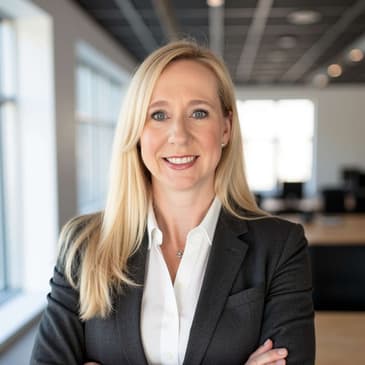
My guest is Dr. Michelle Hext, a quadruple board-certified nurse practitioner, educator, and passionate advocate for children’s mental health. What struck me about Michelle wasn’t simply her impressive credentials; it was the way she talks about caring for children and their families—with humility, compassion, and a genuine willingness to listen.
Michelle is the owner and CEO of Sunshine Health, LLC, and believes that good mental healthcare begins with meeting people where they are and explaining things in language they can actually understand. She takes the time to listen to her young patients and their families, and she looks at the whole person rather than simply a diagnosis.
We also had a fascinating—and somewhat sobering—conversation about the impact of smartphones and social media on children. Michelle is seeing children exposed to smartphones at incredibly young ages, and she believes we are facing an epidemic of technology use that is having serious consequences for pediatric mental health. In fact, one of her strongest recommendations is no smartphone before the age of 14.
As an advocate for children, Michelle is also working to bring attention to the gaps in how children's mental health is protected and supported in Texas.
And toward the end of our conversation, I asked Michelle what qualities make a great psychiatric mental health nurse practitioner. Her answer was simple: humility, being non-judgmental, and being a good listener.
Then she left us with a message that I think applies far beyond mental health: “Literally, no one is normal.” What we call normal, she says, is often just what we're familiar with based on our own experiences.
I think you're going to find this conversation both thought-provoking and relevant—not just for nurses, but for anyone who cares about the mental health and well-being of children.
In the five-minute snippet: they are so sweet in Texas!
For Michelle's bio, visit my website (see below).
Contact The Conversing Nurse podcast
Instagram: https://www.instagram.com/theconversingnursepodcast/
Website: https://theconversingnursepodcast.com
Your review is so important to this Indie podcaster! You can leave one here! https://theconversingnursepodcast.com/leave-me-a-review
Would you like to be a guest on my podcast? Pitch me! https://theconversingnursepodcast.com/intake-form
Check out my guests' book recommendations! https://bookshop.org/shop/theconversingnursepodcast
I've partnered with RNegade.pro! You can earn CE's just by listening to my podcast episodes! Check out my CE library here: https://rnegade.thinkific.com/collections/conversing-nurse-podcast
Thanks for listening!
[00:00] Michelle (Host): Today's conversation takes us into one of the most important and increasingly urgent issues facing children and families,
[00:09] pediatric mental health.
[00:12] My guest is Dr. Michelle Hext,
[00:14] a quadruple board-certified nurse practitioner, educator, and passionate advocate for children's mental health.
[00:22] What struck me about Michelle wasn't simply her impressive credentials.
[00:26] It was the way she talks about caring for children and their families with humility,
[00:31] compassion, and a genuine willingness to listen.
[00:36] Michelle is the owner and CEO of Sunshine Health, LLC and believes that good mental health care begins with meeting people where they are and explaining things in language they can actually understand.
[00:48] She takes the time to listen to her young patients and their families,
[00:52] and she looks at the whole person rather than simply a diagnosis.
[00:57] We also had a fascinating and somewhat sobering conversation about the impact of smartphones and social media on children.
[01:05] Michelle is seeing children exposed to smartphones at incredibly young ages,
[01:10] and she believes we are facing an epidemic of technology use that is having serious consequences for pediatric mental health.
[01:19] In fact, one of her strongest recommendations is no smartphone use before the age of 14.
[01:27] As an advocate for children,
[01:28] Michelle is also working to bring attention to the gaps in how children's mental health is protected and supported in Texas.
[01:36] Toward the end of our conversation, I asked Michelle what qualities make a great psychiatric mental health nurse practitioner.
[01:43] Her answer was simple.
[01:46] Humility,
[01:47] being non judgmental and being a good listener.
[01:51] Then she left us with a message that I think applies far beyond mental health.
[01:56] Literally no one is normal.
[02:00] What we call normal, she says,
[02:02] is often just what we're familiar with based on our own experiences.
[02:06] I think you're going to find this conversation both thought provoking and relevant,
[02:11] not just for nurses,
[02:13] but for anyone who cares about the mental health and well being of children.
[02:19] In the five minute snippet:
[02:21] They are so sweet in Texas.
[02:40] Well, good morning, Michelle. Welcome to the podcast.
[02:44] Michelle : Good morning. Thank you for having me.
[02:46] Michelle (Host): Well, thank you so much for reaching out.
[02:49] I am always welcome to talk to interesting people who do amazing things for patients, for other nurses, for the nursing community.
[03:03] So thank you so much for being here.
[03:05] Michelle : Thank you.
[03:06] Michelle (Host): All right. I like to just jump in.
[03:09] So I see that you hold four board certifications, Michelle, which I think is remarkable.
[03:17] What inspired you to pursue such a broad scope of practice?
[03:21] Michelle : Well, it's an interesting story, I guess.
[03:25] I became a nurse very young, at 22,
[03:29] and all I had on my mind, I guess, was babies and mothers. And so my first many years as an RN, I worked in the Neonatal ICU, which I did love.
[03:41] I never really saw myself doing anything with any patient population other than pediatrics. And of course babies were my favorite. So did that for a long time. And then I decided I wanted to go back and,
[03:55] you know, move into a provider role. So the natural thing was pediatric nurse practitioner, right?
[04:01] Which was my first master's at UTMB that I got. So for several years then I worked as a primary care pediatric nurse practitioner.
[04:13] So I don't live in a big city and there aren't a whole lot of opportunities here,
[04:19] especially 20 years ago when I first became an NP for a pediatric nurse practitioner. And then those roles that were available were like, you know, individual pediatric offices and so didn't come with a whole lot of benefits,
[04:36] more so like contract type roles or, you know, roles without benefits. So as your family grows, you need benefits, right.
[04:44] And so I realized that they were building a pediatric emergency room in my town of a nearby town of Beaumont. So I wanted to work there, but they wouldn't hire a provider who could only see children because since it's a more small area, you know, you can't just see one population,
[05:04] you have to be able to see everybody. So I said,
[05:07] okay, I'm finally going to do what my dad said and go for something more general so that I have more flexibility and options. And so I went back to UT Houston for that family role.
[05:18] And when we got there, they said,
[05:21] so there's a huge shortage of emergency providers. And if you are willing to do the emergency certification at the same time as the family certification,
[05:32] then we'll give you a large grant and it'll cover most of your tuition.
[05:37] So that got my attention and I was planning the emergency room anyway. So I said, okay, well,
[05:44] I don't really recommend folks doing a double postmaster's because it can be a challenge.
[05:50] But I did finally finish that. It was about three years overlapping clinicals, and I don't remember a lot of it because it was probably I was sleep deprived, I'm thinking, from too much studying, I don't know.
[06:03] But I finished that and of course was excited to start working in the emergency room.
[06:10] And that's what I did.
[06:12] So through my pediatric role, I ended up doing some mental health because, you know, I'm primary care,
[06:19] right? You see a lot of that where I live.
[06:23] There's a huge wait time for mental health professionals of all kinds, counselors,
[06:29] psychiatrists, you know,
[06:31] so then in my emergency room role, I really saw just a huge need for mental health care and just kind of realized that even most people there in the emergency room really needed some education about how to handle patients, you know, with mental health challenges.
[06:53] So I really did not want to go back to school,
[06:57] but I guess that was the one thing at that point that I did not really fully know how to manage. So there I went, you know, back to get that other certification and education on mental health as a psychiatric mental health nurse practitioner.
[07:16] So I did not know that that role included counseling patients as well,
[07:22] but of course, quickly learned that. And I think that's the unique thing about mental health nurse practitioners is that we tend to do both. You know, we tend to do the psychiatric evaluations, the diagnosis,
[07:36] making a treatment plan, and then also incorporating some counseling, some psychoeducation,
[07:42] you know, just lifestyle medicine in there. Just kind of everything that's needed to.
[07:48] promote your mental health. You know, it's not just about a white pill every day or, you know,
[07:54] one of those kind of things. It's all the things, as we say, you know,
[07:59] so well.
[08:00] Michelle (Host): Michelle,
[08:02] That's incredible. That's fantastic. Your story is amazing.
[08:06] I've spoken with many psychiatric mental health nurse practitioners now, and like I've told every one of them, I just have so much respect,
[08:15] and I think that would be my jam, you know, if I had known about that specialty in my working days, I think I would have been there. I think that's really a really cool specialty.
[08:29] And bravo to you for seeing a need in your community for the patients and for also the staff to be educated.
[08:39] I think that's admirable.
[08:42] So I want to get into,
[08:44] I want to talk about mental health, since you brought it up, and that's one of your things.
[08:50] And at your practice there, Sunshine Health, LLC,
[08:56] you describe your practice as providing integrated, holistic medical and psychiatric care.
[09:02] I want to know what does that actually look like for a patient walking through your door? Kind of take us through how you would incorporate all those things.
[09:11] Michelle : Okay.
[09:12] Well,
[09:13] I started out with in mind that I would be seeing mostly children because that's still my favorite population. Right.
[09:21] But it's kind of grown into children and adults and parents and, you know, all the things. My doctoral project was over screening and management of autism in toddlers, so kind of started with some of that kind of from primary care.
[09:38] But when every patient comes in, you know, they may or may not need medicine, but what they do need is is for their provider, which, if it's me or one of my colleagues to get to know them, you know,
[09:51] through a one hour psychiatric evaluation.
[09:55] So that's where we just kind of talk. I find out as much as I can about them and their family,
[10:02] what their goals might be, what they feel like they need help with or what's been bothering them the most.
[10:08] And then of course if have to incorporate parents, you know, if you're seeing children,
[10:13] sometimes you have to speak to the,
[10:15] children or the teenagers separately for a few minutes and then back with the parents. And you do have to keep in mind, you know, confidentiality, that you don't share everything, you know, that the younger person may share with you.
[10:29] Unless of course there's a safety concern. But,
[10:32] and then just seeing like making it a patient centered plan. You know, some patients do not want medicine.
[10:39] They would rather start with just therapy.
[10:42] So you know, if I feel like they need medicine, I'll educate them about that. But we'll start out with what they're willing to do and then kind of go from there.
[10:51] And each time we would meet, then as a follow up visit, it would be more like 30, 40 minutes of some sort of evaluation of where you are, how things have been going.
[11:02] You know, we talk about sleep, we talk about nutrition,
[11:05] exercise, movement,
[11:07] you know, just things that we can do that can help our mood. Simple things like staying off of our digital device,
[11:17] minimal or maximum 2 hours a day on a screen if possible.
[11:22] You know, there are serious recommendations now for kids under 5 years old.
[11:28] They really should not be using screens other than for maybe a 30 minute educational program under 2 years old. They should not be on a screen at all unless it's maybe a call on a FaceTime or something with a relative who's out of town or something like that.
[11:47] But there should never be screens in a bedroom of a child because you can't really monitor, you know, their use in that way.
[11:54] Plus it's just too tempting to them and it interrupts their sleep so much if they happen to wake up and then they're tempted by that screen.
[12:03] So I try to look at all those things. You know, we don't encourage folks to skip meals, we don't encourage quick fixes to weight loss.
[12:12] But at the same time, if I'm looking at their medical conditions, you know, which is part of it, that's part of that evaluation.
[12:19] And I'm looking at maybe if they have a mental health condition,
[12:23] sometimes we can think of one medication or one treatment plan that may help, but both issues. And of course, we need to know what your medical medications are in order to facilitate,
[12:37] To make sure there are no interactions with any medications that we might consider for their mental health.
[12:44] Simple things like most people don't take vitamins. Most people have low vitamin D.
[12:51] If you have low vitamin D, your mood is going to be off, you know, so.
[12:57] And among other things, physically. Right. Bone growth and things like that. But just making sure, you know, ruling out a medical condition, you know, we gotta make sure your thyroid is normal.
[13:08] Right. Before we assume you have a anxiety disorder and things like that. So I usually recommend everybody takes a multivitamin once a day and fish oil, you know, omega 3s.
[13:21] Because that's helpful to mood, it's helpful to overall health. Because most of us do not eat fish three times a week like we're supposed to. Right.
[13:31] So just kind of thinking about all the things. And if we have issues with, you know, relationships and their family,
[13:37] if it's a parenting issue,
[13:40] things like that definitely would incorporate some parenting counseling or therapy, that sort of thing,
[13:48] and trying to help the relationships to go a little smoother for folks. Because a lot of times that's a big source of their stress, you know, or sadness or mood issues and things.
[13:59] And sometimes maybe it's that we have to set a boundary with somebody in their life because maybe they are a toxic person.
[14:09] Or sometimes we have folks who have issues with socialization or social anxiety.
[14:16] Maybe again,
[14:17] our individuals with autism and that sort of thing,
[14:21] maybe they have trouble relating to others when they're frustrated.
[14:26] So all of those things kind of are woven into what we try to do for the patients as they are seen and cared for by our practice.
[14:37] Because you can't just focus on one thing because there are no people that are that simple.
[14:45] That's for sure.
[14:46] Michelle (Host): And there's more than one thing that makes up our mental health. All the physical, the family.
[14:57] You know, as you were speaking about kids, you know, how they come with parents. I was very naive as I was young, like you, a nurse at 21, a pediatric nurse.
[15:10] And I thought it was gonna be great. Cause I love kids, but I totally forgot about the fact that they come with parents.
[15:18] And that's not always a nice thing to deal with.
[15:22] But I quickly learned. And it sounds like your care is very comprehensive there at Sunshine Health. That's really cool. That's really great.
[15:33] You had mentioned the holistic way that you guys care for people, patients.
[15:38] So why is it important to address both physical and mental health together instead of treating them separately?
[15:44] Michelle : Well, first of all, you know, there are a lot of nutrition deficiencies that can cause mood problems and physical illnesses and things like that. So you want to at first make sure that's all in order and make sure they're not having some side effects of skipping meals or.
[16:03] I mean, I don't know about you, but I can't think straight. None of us can. You know, if we show up at school in the morning,
[16:09] we didn't eat breakfast, we're probably quite irritable if we haven't slept, you know, so these kind of things.
[16:16] A lot of families bring me kids that they feel like they have ADHD. Well,
[16:21] a lot of times it's lack of sleep and sometimes it could even be sleep apnea. You know, even kids may have that related to tonsils and adenoids or possibly being overweight, things like that.
[16:34] Just obesity by itself can cause just inflammation in our bodies and which also goes into our brain and then can cause irritability and you know, mood instability and,
[16:47] and things like that.
[16:48] I was reading a research article the other day.
[16:51] We are all told and familiar with smoking, you know, substances and that sort of thing and then heredity, you know, all the genetic issues or many of the risk factors, right.
[17:04] For our health.
[17:06] So now we know that one of the biggest risk factors for our health is a sedentary lifestyle.
[17:13] So people who are more so like you think of a couch potato, or if we've got these young people gaming and they're sitting all day, you know, things like that can cause irritability,
[17:24] short temperedness, you know, because it gets to be an addiction,
[17:29] just like scrolling on social media, because you get that dopamine reward, when you get that message or that comment or when you win that game or whatever.
[17:39] So it's important that families work as a team.
[17:45] Everybody in the family has some sort of contribution that they make. I mean even a five year old can pick up their toys, can fold washcloths, you know, just any little thing and they feel accomplished.
[17:58] Research tells us when we complete like a purposeful task, it could be something super simple,
[18:04] even cooking a meal or something like that. We feel accomplished,
[18:08] but if we do nothing all day,
[18:11] then that can definitely bring down your mood for sure.
[18:14] Michelle (Host): I know that's true for me.
[18:16] Just me, like you said,
[18:18] doing the laundry, I'm like yay.
[18:21] On those days where I'm struggling,
[18:24] I can look back at the end of the day and go, well, I made a meal and I did laundry and I got outside and I went for a walk.
[18:33] And those things are all really important for mental health and I think they're so frequently overlooked and they're really low hanging fruit.
[18:44] Michelle : Right.
[18:45] Michelle (Host): Like probably so many problems could be alleviated if we focused on some of those really basic things. Yeah.
[18:55] Michelle : And just do something new, you know, I mean, if you're,
[18:59] if you're feeling like you're in a rut, just do something new. Go try. If you don't like it, don't do it again. But go play pickleball, go join a running club, go join a club that plays a sport.
[19:11] Go take a painting class. Anything really. Just something to get yourself out of that whatever routine is not promoting mental stimulation or happiness. Right.
[19:26] Michelle (Host): And be around people.
[19:28] There's a community out there.
[19:30] We were designed to be social creatures.
[19:34] And I just know from experience when I feel bad,
[19:39] I kind of pull back. I don't want to be around people then that kind of feeds my depression, I guess.
[19:48] Michelle : Those negative thoughts. Yeah. Because you're left alone with those negative thoughts. Absolutely.
[19:53] Michelle (Host): Yes.
[19:54] Yeah. So even just like going to a coffee shop and you know, sitting there reading or it's like even though I'm doing a solitary activity, reading,
[20:05] there's people around and there's music playing and it helps me feel better.
[20:11] Michelle : And you may find a book club there that you may want to join.
[20:14] Michelle (Host): Exactly,
[20:15] exactly.
[20:17] Well, I myself have been doing a lot of mind-body exploration as far as how things in the mind affect the body.
[20:27] And there's many connections between psychiatric and somatic experiences.
[20:34] Michelle, have you seen psychiatric illnesses kind of masquerade as somatic disorders and vice versa?
[20:41] Michelle : Oh, absolutely.
[20:43] A lot of times what we see is stomach aches, nausea, vomiting, little kids not wanting to go to school because they're nervous about something about school. It's really bad this time of year when it's the first days of school of a new school year because it's that unpredictability,
[21:01] it's the anticipation of what it's going to be like. It's, everybody thinks they're looking at me. And I mean, but everybody thinks that, you know,
[21:11] that's what I tell my little patients. Like, everybody's worried, everybody's thinking, just like you.
[21:17] So just go out to your first day of school with a random act of kindness and you'll be surprised. It'll be a positive experience.
[21:27] And you may even make a friend in your new class where you maybe don't know anybody yet, so. But yeah, headaches sometimes. Of course,
[21:35] anxiety in general. You'll see a lot of just muscle tension and sometimes headaches from the muscle tension in the back of the neck and stuff. But that's where things like yoga and stretching and all that kind of stuff are very helpful to kind of, you know, I mean, movement in general helps reduce anxiety.
[21:55] Right.
[21:55] But definitely there's an issue with a lot of people, their stomach is going to hurt or if they're possibly in that category of maybe panic disorder, obviously then they're having the chest palpitations, chest pain,
[22:10] shortness of breath. Then they get where they can't focus.
[22:14] Sometimes they even just can't function. Their mind's not working right because of this overwhelming panic anxiety episodes. So, of course, it's important for their medical providers to rule all of the potential medical issues out.
[22:32] Right. First.
[22:34] So you don't want to just treat somebody for anxiety because they were having chest pain without making sure they're not having a heart event. Right.
[22:42] But once that's taken care of,
[22:45] lots of things like deep breathing, you know, breath work, as we call it,
[22:51] mindfulness exercises. And these are all things that patients can learn in therapy.
[22:56] They even have apps now that are helpful for some of these things.
[23:00] But,
[23:01] you know, there definitely are good coping mechanisms that are available.
[23:06] And so that's where therapy comes in. Because most of us do not know about good coping mechanisms.
[23:13] Especially as adults, we tend to go towards the self medication,
[23:18] let's have a drink of alcohol or something. That's not good for us, right? So we want to be aware of those positive,
[23:27] healthy coping strategies and mechanisms. And, you know, it just kind of goes back to, all of us, we are worth it. You know, you can't be a good mom if you're not taking care of yourself.
[23:43] You know, you can't be a good dad if you're not taking care of yourself and so on and so forth. We tend to neglect ourselves, especially nurses, right. And go and be taking care of everybody else.
[23:54] But we need to pay attention to our bodies. If you're having these recurrent symptoms, whether they're physical or maybe just the racing negative thoughts or anxious thoughts,
[24:05] things like that,
[24:06] the good news is there is treatment and you can feel better. And so then on the other side of the coin, if you do have anxiety and it's untreated, right,
[24:17] Any kind of untreated mental illness,
[24:20] most of the time, folks can be at risk for health concerns. You know, cardiovascular illness is directly linked to anxiety symptoms. Of course, when we think about severe depression and things like that, we really worry about suicidal thoughts and actions and things like that.
[24:39] So it's just like if you were having that chest pain and heart attack, you wouldn't wait till next year to get it treated, right?
[24:49] So we need to look into it now,
[24:52] seek some care.
[24:53] So it's much more available now and I think much more accepted.
[24:58] But I think we do still have that, that stigma. You know, some folks I don't want my child doesn't have a mental illness, or there's no way I have diagnosable or treatable mental illnesses.
[25:10] Everybody gets worried sometimes, but you have to look, well, is it affecting your life?
[25:15] Is it affecting functioning? Is it affecting your relationships with those around you? Because if it is,
[25:23] might need to check it out, right?
[25:26] Michelle (Host): Well, I mean, clearly pediatric mental health is one of your passions and what concerns you most about the mental health of today's children?
[25:34] Michelle : Well,
[25:36] I've definitely given some presentations recently on this.
[25:39] My biggest concern is that,
[25:42] so currently Gen Z are our parents, right?
[25:46] Our young parents, right around this time.
[25:49] And so Gen Z is the first generation that was raised exclusively with digital products and access. You know, most of them had a phone in their hand sometimes even before they went to middle school or somewhere around that time.
[26:07] And so all of us, now that we're used to these little devices that we call cell phones,
[26:14] tend to spend too much time looking at them.
[26:17] There's a new term called fubbing.
[26:20] And what it means is you and me may be in the room together, but I'm looking at my phone.
[26:26] So it's like snubbing, but with a phone.
[26:29] So we see parents doing this.
[26:32] I have a first cousin that's been a kindergarten teacher for 20 years, so she affirms this with me. But like,
[26:39] when I do some shifts in the primary care office at the local federally qualified health center here, we, you know, we do physicals and all this and we're seeing 4, 5, 6 year olds that don't know their shapes.
[26:52] So we can't test their eyes.
[26:54] We walk in the room and everybody's on their phone.
[26:58] You know,
[26:59] it's like, okay, we gotta put those away.
[27:01] And so we have this new problem where toddlers, like little babies that may not even be able to walk yet,
[27:09] are getting addicted to phones. Like, if you take it away from them, they scream.
[27:16] And of course,
[27:17] as we mentioned, it's not recommended to let small children be on these phones,
[27:22] but because they have things they need to learn right about the world and language. And so my cousin was saying that even going into the kindergarten where she works, which is kind of a fancy city, it's not like where there are a whole lot of socioeconomic disadvantage.
[27:38] You know,
[27:39] they're having these kids from these wealthy families coming in, too, that just don't even know.
[27:45] Know their shapes, their colors, any letters, numbers, any of that, which normally you would learn in preschool or you would have been exposed to before you're five or six. Right.
[27:56] So I really feel like this digital revolution has been just very detrimental to our children's mental health.
[28:06] One of the studies that I reviewed recently showed that it was a large trial of several hundred participants of children under 17 between the ages of 11 and 17 in the United States.
[28:23] And it was looking at their reason for psychiatric admission to an inpatient facility.
[28:29] And about 42.9% of the time it was related to a digital reason.
[28:37] Like either.
[28:38] I think 22% of the time it was because they're a parent or a teacher took their phone.
[28:45] Other issues that were documented were something on social media upset them so much that they had a breakdown and they had to be admitted to the facility for care and so on and so forth.
[28:58] You know, various things like that.
[29:01] Sometimes it was that they were in a social group posting things about safety issues like suicidality, encouraging suicide, or stating that they might, you know, be suicidal, that sort of thing,
[29:14] which is, again, why they're.
[29:16] Any child's digital use needs to be monitored, and we don't recommend that they are given a smartphone now until they are between 14 and 16, because it's just definitely no social media accounts because they're just not mature enough to be able to handle that and realize that what's on social media most of the time is not real,
[29:39] especially with AI these days and all the filters and things. And we need to be doing activities and building relationships and knowledge that don't focus around digital use.
[29:55] Their little brains are maturing,
[29:57] and they're still growing and learning. And so there's called missed opportunity time now, really, instead of digital screen time,
[30:06] because they are. They're missing out on so many opportunities. I'm telling you, what if my grandmother were still alive and she was sitting in the room with me and I was on my phone?
[30:17] That would not be happening.
[30:19] So, we have to demand the attention of our loved ones and that includes the kids.
[30:27] Sometimes the parents need to be told to put down the phone, but we have parents now that are spending more time on their phone than they are with their children.
[30:35] So I guess that's my biggest concern.
[30:38] Definitely not everybody, of course. Right.
[30:41] I was so proud of my daughter's little friend. She's 23 and she's got two small children now. And I asked her about, you know, did her three year old have a phone?
[30:50] And she said, oh, absolutely not. She said, I read where that makes them little monsters. And I was like,
[30:56] yeah, that's right.
[30:57] I'm glad you've informed yourself. I'm so proud of you, you know.
[31:01] So he has not touched a phone because she was trying to be informed.
[31:06] Michelle (Host): Yeah, it's really sobering and it's an epidemic. And you're absolutely right. Like, we as adults have to put our phones down if we're going to tell our kids that you're not going to have a phone or get off of your phone.
[31:19] And as you're talking about the very young child,
[31:23] I remember a study done by a female scientist and I can't remember her name, but it was the 30,000 Word Project. You've probably heard about it, where kids are supposed to hear 30,000 words before the age of, I think it was three for language development.
[31:41] And if the parent is on the phone, they're not speaking to the child.
[31:46] So there's a big, huge missed opportunity there.
[31:49] And, and yeah, absolutely. Mental health wise,
[31:53] it is really bad. We know it's bad for adults. We've known it's bad for adults and their mental health for years.
[32:03] And then we think it's okay to,
[32:05] arm our kids with phones too.
[32:07] Michelle : Well, and I mean, as an emergency trauma nurse practitioner where I worked for a good 10 years,
[32:13] we would see so many, like, tragic accidents just from people being on their phone.
[32:18] And I had a colleague that was an orthopedic surgeon and he said, you know, unfortunately, this was a long time ago when cell phones were just starting to be mainstream,
[32:28] so definitely more than about 20 years ago or so.
[32:31] And he said, well, it's been good for my pocketbook because the number of orthopedic injuries had just gone up exponentially since everybody's starting to get a cell phone because people are literally walking around looking at their phone or driving and looking at their phone, which of course is absolutely unsafe.
[32:50] But back to what you said. Kids will do what we do,
[32:55] they will not do what we say necessarily most of the time. So you really do have to model, you know, whatever behavior you're wanting in your child.
[33:07] Michelle (Host): No, I'm an absolute believer in that. You can't ask kids to do something that you're not willing to do yourself because they see the, they see the dichotomy and contradiction in their, in their little minds.
[33:21] Okay. I worked with, when I was a pediatric nurse in the 1980s, I worked with a brilliant pediatric urologist.
[33:31] He was amazing, loved by so many people. He tells us he's leaving, he's going back to the east coast to start a fellowship at Johns Hopkins University in gender affirming care.
[33:45] And now this is the 1980s, Michelle.
[33:49] So we're talking 40 years ago, right.
[33:52] And we asked him basically, what is that?
[33:57] And he said in his practice he would, in our small town of, at that time, I think we were under a hundred thousand,
[34:05] we were probably around 80, 90,000 people in his small practice. He was almost on the daily meeting kids that would tell him that they,
[34:16] were told they were a boy, but they felt they were a girl or vice versa.
[34:22] And he thought this was quite alarming and he wanted to study it more.
[34:28] I looked up some of the bills in Texas and you're active in several professional organizations and legislative advocacy and obviously an advocate for children's mental health.
[34:41] But there are currently bills proposed in Texas in the House and the Senate that restrict access to mental health care for minors.
[34:49] The first one, I just want you to weigh in on these. Senate Bill 14, that was proposed in 2023 that bans gender affirming medical care like puberty blockers and hormone therapy for minors.
[35:01] And it also,
[35:03] they expanded the legal interpretation to apply to licensed mental health professionals facilitating transition related support.
[35:12] There's also House Bill 18, which was proposed in 2025,
[35:17] that says while funding certain rural mental health resources, it explicitly bars minors from accessing state supported mental health counseling that affirms a gender identity inconsistent with their biological sex.
[35:32] And then lastly, Senate Bill 12, which was proposed this year,
[35:36] requires explicit written parental consent before school districts can provide behavioral or mental health services, screenings or counseling.
[35:45] So my question, and it's pretty loaded, is how do you advocate for these youth while still obeying the law there in Texas?
[35:55] Michelle : Well,
[35:56] can definitely be tricky.
[35:59] I was actually last year in a local,
[36:04] like a district and county legislative meeting for my local group as they meet, you know, before the state conventions come up and everything.
[36:14] And I was there to present the concept, you know, for approval to the platform about independent nurse practitioner practice in Texas because that in itself definitely causes a lot of barriers to access to care because here we are having to have a Physician sign on a piece of paper and having to digitally communicate with them once a month and of course,
[36:42] pay a hefty fee in many cases for that piece of paper.
[36:47] And it's just unfortunate because keeps us from being able to be in many of those rural communities or do a lot more things that we would love to be able to do as we have been educated and nationally certified to do within our specialty or specialties.
[37:06] Right.
[37:07] So that in that meeting,
[37:11] there was a gentleman who sent through, he wanted to send through on the platform the concept of that. No, like you said, no one should be able to do any mental health screenings in the schools without parental consent,
[37:29] which I get that to a certain extent, but most parents would want to know if their child is having some sort of mental health crisis because we do have a huge number of children completing suicide these days, even as young as six years old.
[37:48] Right.
[37:50] So I personally would definitely want to know so that I could get my child some help. Just to me, the screening, I mean, we screen their eyes, we screen their.
[37:58] ears, right.
[38:00] We have them go get a physical exam if we want them to be allowed to play sports and things like that.
[38:08] So how are we supposed to prevent school shooters who are very mentally ill and unstable if we don't screen them from the time they're young for their mental wellness?
[38:20] You know, that doesn't make any sense to me. So I definitely stood up and tried to speak against
[38:26] this gentleman, but the consensus of the room was that they wanted to vote and put it through. There was me and a retired teacher that was standing up against this because it's that bully who.
[38:40] may have some kind of mental health issue.
[38:43] And then that bully is going to bully someone and create trauma in these kids that are otherwise would have been fine if they hadn't have been victimized by the bully.
[38:54] Right. I mean,
[38:56] I've treated patients over the years. I've had young children, you know, first, second, third grade that have had injuries. They've been choked, they've been thrown off of playground equipment.
[39:10] And when I say choked, I mean until they passed out.
[39:13] And as you know, that can be a very serious brain injury, depending on the severity of it.
[39:19] And of course, then
[39:21] They have PTSD. They don't want to go back to school. I mean, would you?
[39:24] Would you want to go back?
[39:25] You know, so the new laws that they have related,
[39:29] that have changed, I guess, in the last 10, maybe 15 years related to fighting on campus are interesting to me because they're trying to hammer down on it. And I get that.
[39:40] But I think a child who's defending themselves is punished just as much as the one who hits the person first. You gotta be able to defend yourself at some point.
[39:52] But anyway, sometimes I guess it's hard to prove that.
[39:56] And so related to children's mental health, I've also seen a barrier many times because parents, some parents or maybe one of the parents, doesn't want their child to be seen or doesn't want their child to be treated.
[40:10] And sometimes it takes months or sometimes they never agree,
[40:15] but sometimes most of the time that the child gets worse. And so then they kind of get desperate and they, they want to do something.
[40:23] But related to these laws, we just have to work around them. I do know that there are some situations where kids can be emancipated. I know if they're a female who's expecting, if they've graduated high school, I think they can petition for it.
[40:41] And then of course, if they're a parent or a mother,
[40:44] they can be emancipated.
[40:46] But it is hard because children have their own way of thinking about many things.
[40:54] And so as long as they're not breaking the law,
[40:58] we need to be supportive of them and help them to get whatever mental health that they need.
[41:04] Because as much as we would probably like our children to do exactly what we say all the time,
[41:12] sometimes it's about being that supporting parent and letting them find their own way because we can't mandate what they're going to do in their adult lives,
[41:24] if that makes sense.
[41:26] Michelle (Host): Yeah, no, absolutely. Makes perfect sense. And thank you for your advocacy and just keep advocating because we need more healthcare professionals like yourself that really know the ins and outs of and the intricacies of what is going on with children's mental health.
[41:47] Michelle : So the other big problem we have is substance use, especially in youth. And this vaping is out of control. And of course,
[41:55] you can't find any,
[41:57] even street drugs these days that are what you think they are. They're all combined with something else that's in there that you know what's in there that can be quite dangerous.
[42:07] I mean, I have some teenage patients from the primary care practice where I work sometimes that have died just from one time taking a puff off someone's vape that may have been synthetic marijuana in there.
[42:20] And they had a seizure and before they could get care,
[42:25] their airway was blocked and they were dead.
[42:27] And then I've got another one that I recall who did the same kind of situation, tried something one time and is now in a wheelchair and completely dependent on someone to feed them and change their diaper and they can no longer speak.
[42:45] And these were kids who were perfectly healthy,
[42:48] high achieving,
[42:49] athletic kids, you know what I mean?
[42:52] So I just wish in general, young people were more informed about the risks of all substances,
[43:01] including things that they think are less harmful, like marijuana and alcohol and even vaping,
[43:10] because,
[43:12] I mean, alcohol is legal for adults. Right. But it still is involved in the deaths of about 178,000 people per year.
[43:21] And. Yeah, well, as marijuana won't kill you, as that's for sure,
[43:26] you know, it can definitely cause increased risk for psychotic disorders even in folks who don't have that in their family history. Right. They don't have any other risk factors because as the child and adolescent and young adult brain is still developing into their late twenties, still growing and developing,
[43:47] whatever that brain is exposed to. And those critical years has much more of an impact than if an older adult person is experimenting with something. But a lot of folks think some of these things, including marijuana, are not addicting, but they are.
[44:06] Now a lot of us mental health providers are trying to figure out how to get people to cut down, get off of it. You know, it creates anxiety. It's like a withdrawal anxiety thing.
[44:15] And there's cannabis hyperemesis. I've had patients hospitalized because when they run out of money because they're spending thousands of dollars in a month on their cannabis habit,
[44:26] then they're so nauseated and anxious they can't even exist. So they have to go get IV fluids and nausea meds and counseling therapy, you know, and all this kind of stuff.
[44:38] And it's just a sight. It's a bad cycle.
[44:41] Of course, it's kind of hard to hold a job when you're having all those side effects, not to mention how it affects your memory and your brain function and all that.
[44:50] Michelle (Host): A lot of work to be done, Michelle. A lot of work to be done.
[44:54] Michelle : For sure.
[44:56] Michelle (Host): I think you've chosen specialty where it's job security. Right?
[45:01] Michelle : It's like, yes, but I don't want it to be such job security. I want everyone to feel good.
[45:07] Michelle (Host): I understand,
[45:08] absolutely, yes.
[45:10] All right. I'm going to switch gears for a second.
[45:13] I'm sure there are nurses listening that want to know what qualities make someone especially effective in psychiatric nursing.
[45:24] Michelle : Well,
[45:25] I think for sure, humility.
[45:27] I think first a person has to examine themselves inside and out and see what are my perceptions of things.
[45:40] Am I able to be non judgmental and allow my potential clients to express themselves and me, support them where they are and with what they're willing to do, like in keeping things patient centered.
[45:58] Because you have to be empathetic, you have to be supportive and you have to be a really good listener to be hearing what they're saying and what they're not saying.
[46:12] Michelle (Host): Yes.
[46:13] Michelle : So that you can formulate the best plan for them and be that supportive person in their life. Because many times as a nurse, I have found myself just being thankful for all the blessings that I have been given as far as having two loving parents and for my health and just general,
[46:33] you know, things like that that everyone is not given. Because, you know, as a nurse we see a lot of things.
[46:39] Right. And you have to be able to hear about and really empathetically feel all of the horrible things that your patients have endured,
[46:51] but you still have to be able to not bring it home with you and let it negatively affect your life, you know, because you can't just focus on all of that.
[47:02] You have to focus on where we go from here.
[47:06] Michelle (Host): So how do you do that personally, Michelle? Because I'm sure in the course of your work that you just absorb a lot of emotional stress. So how do you care for your own mental health and how would you encourage others in the same way?
[47:24] Michelle : Well, that definitely goes back to you have to take care of yourself or you can't take care of others. Right. So I really do try to eat healthy most of the time.
[47:35] Right.
[47:36] Keep my exercise in mind. I try to do the 150 minutes of exercise, something.
[47:43] Little bit of walking, little bit of jogging, swimming,
[47:48] little bit of resistance training, that kind of stuff. Because after you're 30, right, you gotta maintain your muscle mass or you start to lose it.
[47:56] So. Yeah, and then just making sure I get quality time with the people who really matter to me.
[48:02] Quality sleep is important,
[48:04] you know, and just, just trying to take care of myself and not over commit. I think that's been something I've learned is not to over commit after.
[48:14] Now that I've finally become a grown up. Right.
[48:18] I think, I don't know, I have to check on that if I am a grownup. We'll see.
[48:22] Michelle (Host): It's all the adulting that makes us over commit, right?
[48:27] Michelle : Yeah, but we all have our limits, you know, and everybody can't do everything all the time, right?
[48:33] Michelle (Host): Well, that is true. And I think we would be much happier if we realized that even though we want to.
[48:41] I think a lot of us, especially nurses, we have the bad case of FOMO, right?
[48:47] We're just, we want to be in it all. We want to experience it all. And it's just the reality that we can't. And I think for some of us, the sooner we realize that, the maybe better off we'll be.
[49:03] We'll have a little bit more peace.
[49:06] So. Wow. What a great conversation. Michelle, I have one more closing question for you.
[49:11] Michelle : Mm.
[49:12] Michelle (Host): If every nurse listening today could walk away remembering just one thing about caring for patients with mental health needs, what would you want that message to be?
[49:23] Michelle : I think it would be that literally no one is normal.
[49:30] That's a misperception that anyone is normal.
[49:35] We are all different.
[49:37] And what we perceive as normal is just based on our experiences.
[49:43] And so everyone's experiences are different.
[49:47] So there is no normal,
[49:50] basically.
[49:52] Michelle (Host): I love that. I absolutely love it. And,
[49:55] you know, I think I learned that in my.
[49:57] Maybe my 40s or early 50s.
[50:00] It took me a while.
[50:02] And so I would say,
[50:04] you know, that's normal for me.
[50:07] You know, this is normal for me. It may not be normal for somebody else,
[50:12] and their normal may not be normal for me,
[50:15] but my normal is normal for me.
[50:18] Michelle : There's definitely healthy and unhealthy, right. To certain different degrees and negative and positive. So we want to focus on the healthy and the positive, not necessarily normal.
[50:31] Michelle (Host): Love it. Love your message,
[50:33] man. I've really enjoyed talking with you, Michelle.
[50:36] I just really got a feel for your passion and your expertise,
[50:41] and I love how you are practicing holistically and seeing the entire patient, the entire family.
[50:51] I think that's so, so important when we're dealing with pediatrics.
[50:57] And I applaud your advocacy and just encourage you to continue advocating for the youth there in Texas and really everywhere.
[51:06] Michelle : Well, thank you. I appreciate the opportunity. It was great to meet you.
[51:11] Michelle (Host): Well, for people that want to reach out, where can they find you?
[51:14] Michelle : Practice website is sunshinehealthtx.com and there are emails on there that you can find to contact our office and me.
[51:26] And so that's the best way because it has our number and our email and all that good stuff.
[51:34] Michelle (Host): Perfect, awesome.
[51:36] Well, we have reached the last five minutes of our conversation. And in the last five minutes, I do this thing called the five minute snippet. And it's just fun. It's five minutes where we just let our hair down and talk about silly things.
[51:53] And so are you up for that?
[51:56] Michelle : Sure.
[51:56] Michelle (Host): It's only five minutes.
[51:59] Perfect. Okay.
[52:40] So, coffee or tea?
[52:42] Michelle : Both.
[52:43] Michelle (Host): Okay. When do you drink tea?
[52:46] Michelle : Usually with lunch.
[52:48] Michelle (Host): Is it the sweet tea?
[52:50] Michelle : Not anymore.
[52:53] Michelle (Host): I've been all over Texas. I haven't been to where you are, but I remember lots of people trying to serve me sweet tea all the time.
[53:03] Michelle : Sometimes it's so sweet you think you might develop diabetes right away. I can't hardly tolerate it that sweet anymore since I've gotten used to not drinking the sweet.
[53:15] Michelle (Host): Exactly. Okay. Morning person or night owl?
[53:19] Michelle : Definitely night person. Not a morning person at all.
[53:24] Michelle (Host): Let's see. Favorite way to decompress after a long day.
[53:29] Michelle : Definitely. I would like to listen to some Kenny Chesney music.
[53:34] He's definitely my favorite artist. I love a lot of his songs. They're quite relaxing,
[53:39] you know, related to being at the beach and all of these things. And definitely maybe take my walk, you know, or swim if I get a chance, if it's not too cold.
[53:49] Michelle (Host): I bet you're looking forward to your new pool.
[53:52] Michelle : Yes.
[53:53] Michelle (Host): Yes. Love it. Okay. Is there a book that every healthcare professional should read?
[54:00] Michelle : Yes,
[54:01] definitely.
[54:02] There is a book that I just love that I read last month.
[54:06] It's called Not What the Doctor Ordered.
[54:13] And it is written by Jeffrey Bauer. B A U E R.
[54:17] And I believe it's the newest edition that just came out because he had a previous edition, but it's the one that just came out this year in May.
[54:24] Michelle (Host): I'm going to look that one up. Okay. If you weren't a nurse practitioner, is there a career that you would have chosen?
[54:33] Michelle : Absolutely. I think I would have chosen one of two things, which would be to be a lawyer or to be just a financial advisor. Investment person.
[54:46] One or the other. I think lawyer would probably be more interesting,
[54:51] but one of those two things would have been great.
[54:55] Michelle (Host): That's awesome. Okay. Your best purchase under $100.
[55:01] Michelle : Hmm. Oh, that would just have to definitely be music purchases. Every time I purchase, like digital music or a CD or something like that, I absolutely love music.
[55:14] Michelle (Host): So that's a great investment.
[55:17] Okay.
[55:18] We're in your house, Michelle, and there's a picture on the wall of your favorite travel destination.
[55:24] Where is it and who is in the picture?
[55:27] Michelle : It would be St. John, the U.S. virgin Islands, and my husband would be in the picture with me.
[55:36] Michelle (Host): Sounds idyllic. Okay, last question. There's a billboard along the major highway with your picture on it. What is the message?
[55:47] Michelle : The message is probably something to do with parenting and how to appropriately raise children to be happy and healthy.
[55:57] Michelle (Host): Let's do it. We need those all over Texas right now. Love it. I absolutely have loved our conversation. Michelle, thank you so much.
[56:08] Michelle : I enjoyed it, too. It was nice meeting you.
[56:11] Michelle (Host): Well, you have a great rest of your day.